
What is Blind Cricket?
Blind cricket follows many of the same principles as regular cricket but includes special rules and equipment to suit visually impaired players. It is governed internationally by organizations like the World Blind Cricket Council, which promotes and organizes global competitions.
Players are classified into three categories:
- B1 – Completely blind
- B2 – Partially sighted
- B3 – Partially sighted with better vision than B2
Each team must include a balanced combination of these categories to ensure fairness.
Unique Rules and Equipment
Blind cricket introduces several adaptations to make the game accessible:
- Audible Ball: The ball contains small metal bearings so players can hear it when it moves.
- Underarm Bowling: Bowlers deliver the ball underarm, and it must bounce at least twice before reaching the batter.
- Verbal Signals: Bowlers call out “play” before delivering the ball to alert the batter.
- Larger Boundaries and Adjusted Scoring: Rules are slightly modified to maintain balance and competitiveness.
These adjustments ensure that the game remains fast-paced and exciting while being inclusive.
History and Global Growth
Blind cricket started in the early 20th century and has grown into a globally recognized sport. Countries like India, Pakistan, Australia, and England are among the leading nations in this sport.
Major tournaments include:
- Blind Cricket World Cup
- T20 Blind Cricket World Cup
These events showcase incredible talent and attract international attention.
Blind Cricket in Bangladesh
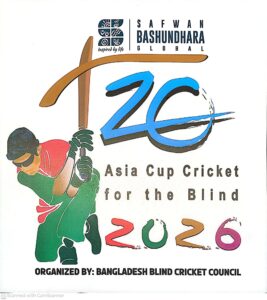
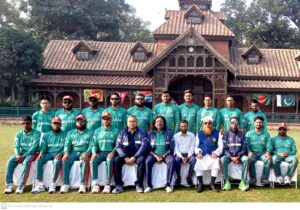
In Bangladesh, blind cricket has been steadily developing over the years. Organizations like the Bangladesh Blind Cricket Council are working to promote the sport, organize training camps, and create opportunities for visually impaired athletes.
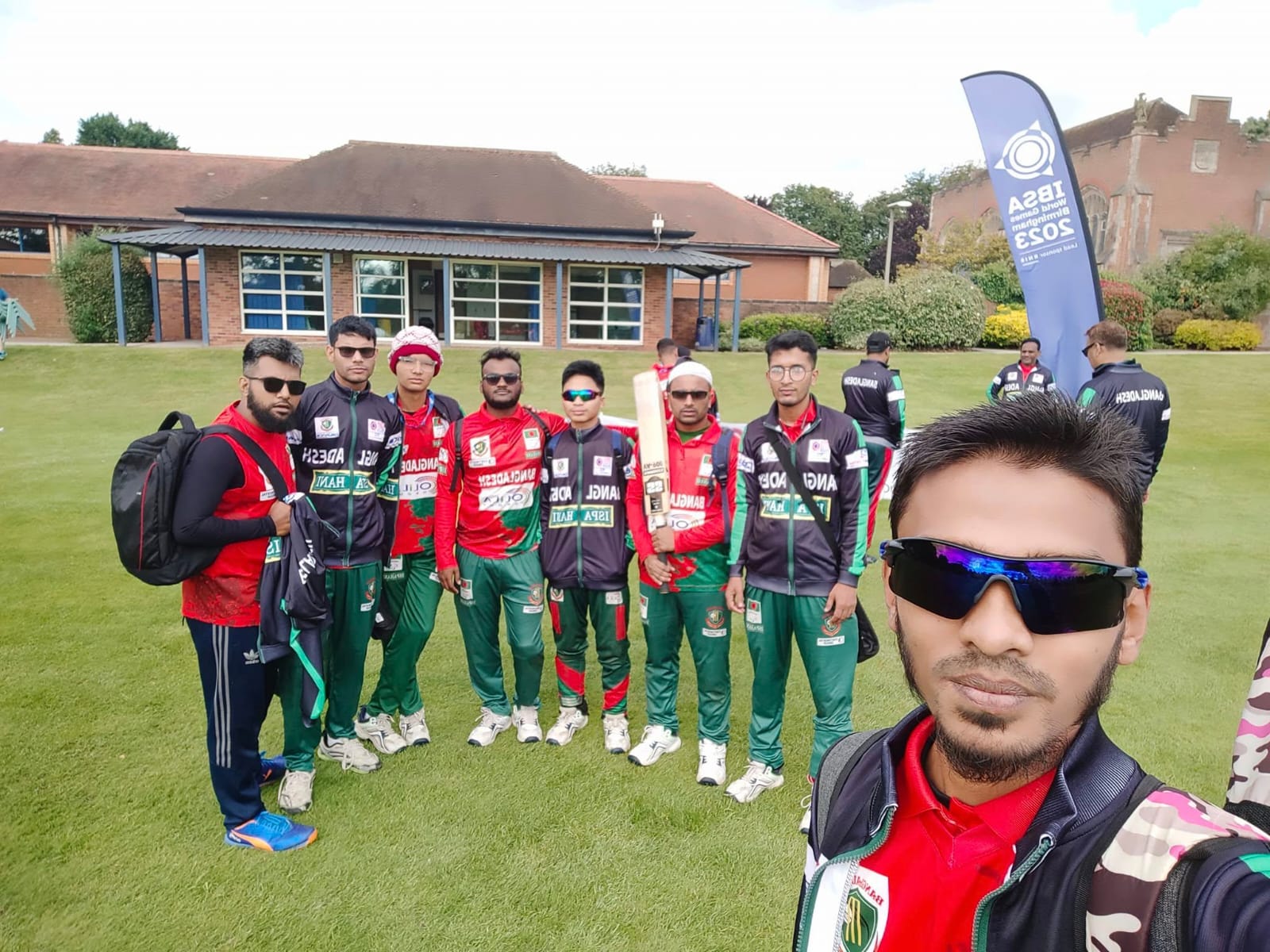
Despite challenges such as limited funding and awareness, Bangladeshi blind cricketers continue to show passion and resilience, representing the country in international tournaments.
Why Blind Cricket Matters
Blind cricket is more than just a sport—it is a symbol of inclusion and empowerment. It helps players:
- Build confidence and independence
- Develop teamwork and communication skills
- Gain recognition and social acceptance
It also changes public perception, proving that physical limitations do not define a person’s potential.
Conclusion
Blind cricket is a remarkable sport that highlights human determination and adaptability. It brings people together, promotes equality, and inspires millions around the world. With increased support and awareness, blind cricket can continue to grow and provide even greater opportunities for visually impaired athletes.